What are the most critical and frequently replaced wear-and-tear parts on a city transit bus?
In the world of public transportation, bus parts play a pivotal role in ensuring that city transit systems operate smoothly and efficiently. The significance of high-quality replacement parts cannot be overstated, as they directly affect the reliability of buses on busy urban routes. Regular maintenance and timely replacement of wear-and-tear components not only enhances passenger safety but also reduces operational costs. Public transportation agencies are increasingly seeking solutions to minimize downtime and maintain the functionality of their fleet—a challenge that highlights the importance of understanding what the most critical and frequently replaced parts are on a city transit bus.
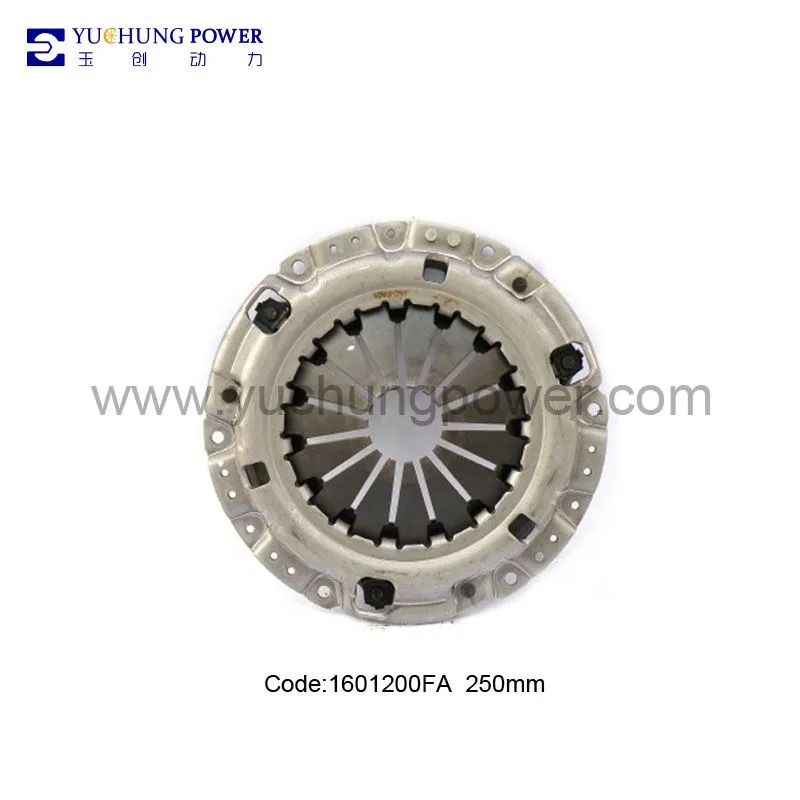
Definition of Bus Parts and Industry Term Analysis
Bus parts refer to the various components that make up a bus, ranging from the engine to the braking system. Key among these are electrical systems, powertrain components, suspension systems, and body parts. Each of these categories contains crucial elements, such as the alternator, transmission, and brake pads.
In the industry, terminology like "OEM parts" (Original Equipment Manufacturer) and "aftermarket parts" is commonly used. OEM parts are designed specifically for the bus manufacturer and are typically more expensive but known for their reliability. On the other hand, aftermarket parts offer an alternative, often at a lower cost, but their quality can vary. Understanding the distinction between these components can significantly impact maintenance strategies for transit agencies.
Application Scenarios for Bus Parts
Bus parts are essential in various fields, primarily in public transportation systems. They are used in:
- Urban Transit Buses: Daily operations require parts that can withstand high-frequency stops and diverse weather conditions.
- Charter Buses: These buses require reliable parts that ensure passenger comfort over longer distances.
- School Buses: Safety is paramount, making the quality of components like braking systems critical.
- Freight and Cargo Buses: They need durable parts that can handle the rigors of heavy loads.
Each application demands specific parts tailored to meet unique operational challenges, emphasizing the necessity for reliable sources of high-quality bus parts.
Brief Description of Advantages
The right bus parts play a crucial role in the overall performance and safety of the vehicles. Key advantages include:
- Increased Reliability: Using high-quality bus parts can decrease the likelihood of breakdowns. For example, maintaining a robust brake system can reduce the risk of accidents by up to 30%, according to data from the National Highway Traffic Safety Administration (NHTSA).
- Cost Efficiency: Regular maintenance and timely replacement of worn parts can lead to a 15% reduction in overall maintenance costs, minimizing budget strain for city transit authorities.
- Improved Performance: Upgraded parts, like advanced suspension systems, can enhance ride quality and operational efficiency by 20-25% in terms of fuel economy, as noted in studies by the American Public Transportation Association (APTA).
Next Steps: Guidance for Users
To ensure that bus operations remain efficient, fleet managers should consistently monitor the condition of bus parts. Reading the user guide for each specific part is crucial for understanding installation processes and maintenance schedules. Further, agencies should consider reputable brands—like Yuchung Power—that specialize in durable and efficient bus parts.
FAQ
What are the most critical bus parts that require replacement?
The most frequently replaced bus parts include brake pads, tires, batteries, and filters. These components experience the highest wear-and-tear due to daily operations.
How often should bus parts be replaced?
It is generally advisable to inspect bus parts every 3,000 to 5,000 miles, with specific components requiring replacement based on manufacturer recommendations.
Where can I find high-quality bus parts?
It’s important to source parts from reputable suppliers or manufacturers known for their commitment to quality, such as Yuchung Power.
Can I use aftermarket parts for bus maintenance?
Yes, aftermarket parts can be used; however, it's essential to ensure they meet the necessary safety and quality standards to maintain the bus’s performance.
In conclusion, understanding bus parts, their applications, and the significance of timely maintenance can lead to more efficient urban transit systems. By investing in quality components, transit authorities are better positioned to enhance safety, reduce costs, and improve overall service.


评论
发表评论